

ADRENALS
The Adrenal Glands are the ultimate organs of resilience. Not only able to produce inflammation quenching and life saving hormones, these stress regulating glands sync with light and dark cycles of the sun to govern the quality of our energy and sleep. Despite dynamic swings in stress and daily cycles, the adrenals embody presence allowing for adapting, modulating and managing every stressor in our modern life.
ADRENALS
SYMPTOMS OF IMBALANCE ⓘ


SYMPTOMS OF IMBALANCE
x Fatigue that doesn’t Improve with Rest
x Afternoon Energy Crash (2-4 PM slump)
x Wired but Tired at Night
x Dependance on Caffeine to Function
x Difficulty Falling Asleep
EXPLORE OUR LIBRARY OF METICULOUSLY SOURCED VITAMINS, MINERALS, AND BOTANICALS USED IN OUR CUSTOM SUPPLEMENT TO SUPPORT ADRENALS.
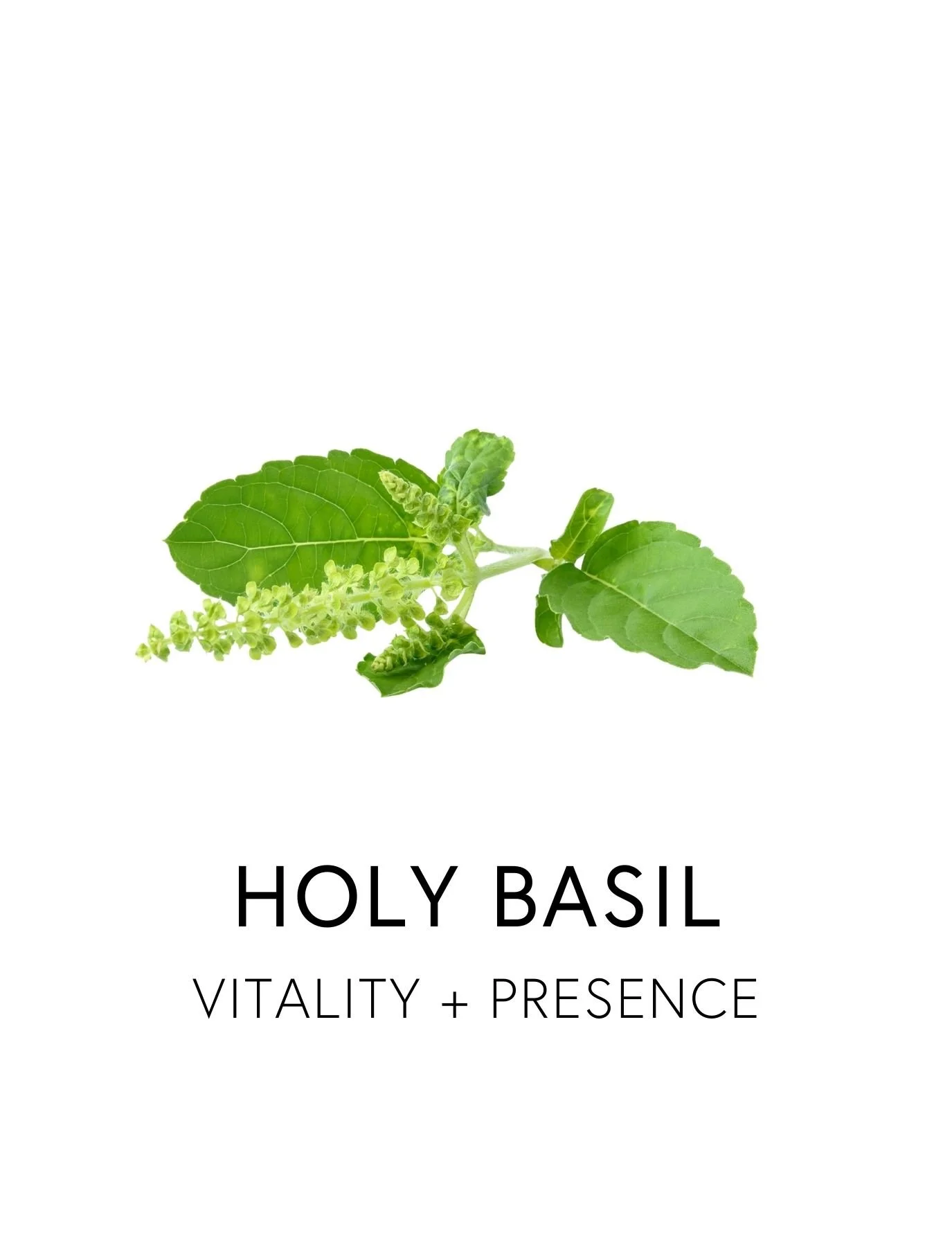
HOLY BASIL
Tulsi an adaptogenic herb, helps regulate stress hormones and supports adrenal balance while enhancing mood and mental clarity. Its key phytochemicals, including eugenol, rosmarinic acid, and ursolic acid, are studied for their role in HPA-axis regulation, especially when stress starts to show up as irritability, tension, or mental fatigue. Known as Holy Basil and the ‘Queen of Herbs,’ tulsi has been cherished as a sacred plant, an ally that brings a sense of peace and sweetness into the everyday.
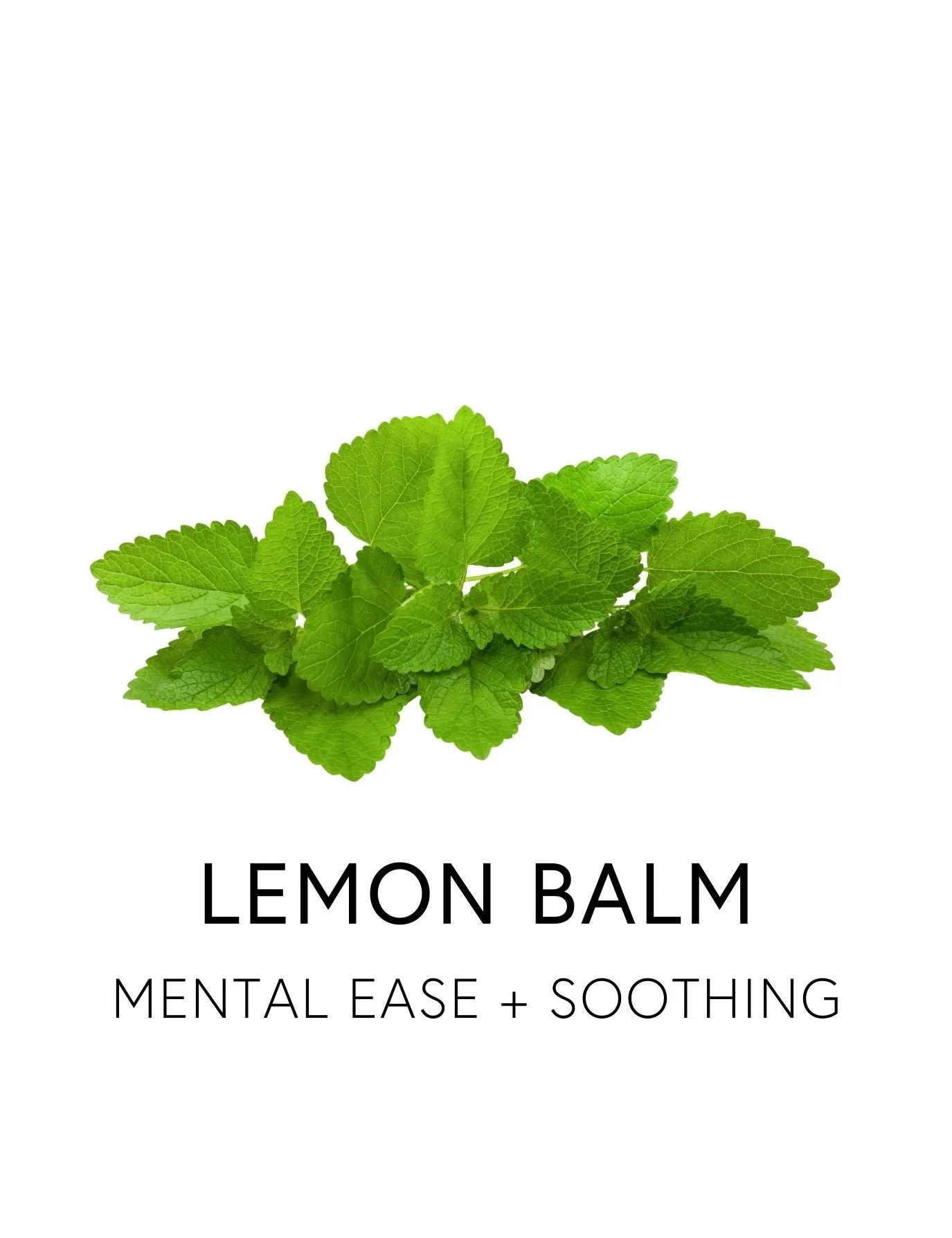
LEMON BALM
Lemon balm is a gentle, nervine herb that soothes the brain and nervous system, encouraging more restful sleep. Its rosmarinic acid compounds support GABA levels and calm the excitatory activity in the brain, reducing nighttime restlessness and promoting mental ease. A member of the mint family, its aromatic leaves are brewed as tea, praised in visionary herbal writings such as Saint Hildegard von Bingen’s and later became the signature herb in Carmelite Water, a classic European tonic, a true balm for mind and body.
MAGNESIUM GLYCINATE
Magnesium Glycinate relaxes the nervous system, supports calm focus, and helps ease the muscular tension that often accompanies stress. Magnesium is a cofactor for over 300 of the body's enzymatic reactions. According to WHO statistics, as many as 75% of U.S. adults do not meet the recommended daily allowance which can show up as fatigue, muscle cramps or soreness, eyelid twitching, and disrupted sleep. It’s mineral nourishment in its most grounding form for the body, softness in the mind and stress support without sedation.
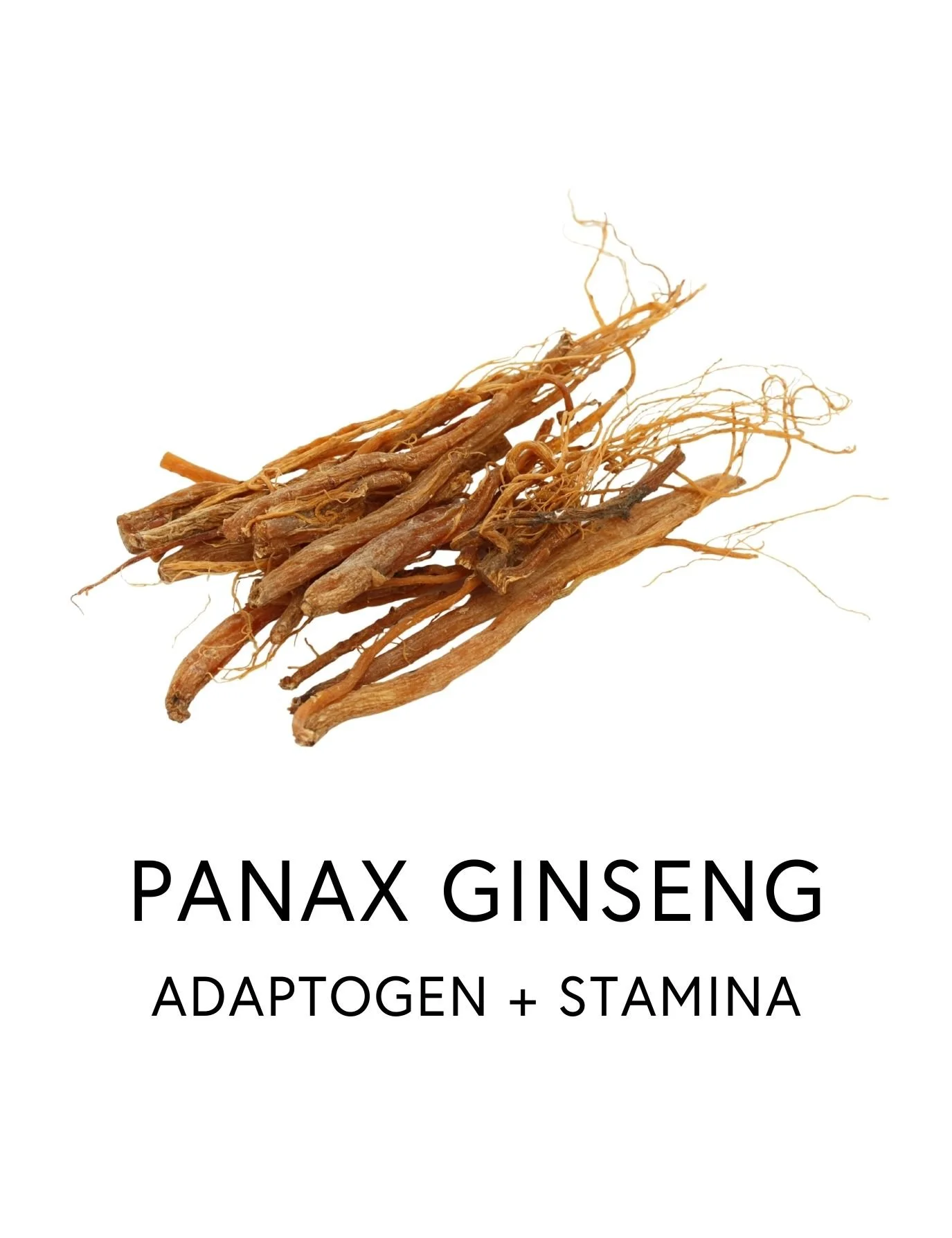
PANAX GINSENG
Panax, an adaptogenic herb, helps buffer the effects of chronic stress promoting calm stamina and stress resilience without the “wired and tired” feeling. Its ginsenosides are researched for their effects on neurotransmitter and cortisol balance, helping the body adapt to demand while reinforcing the pathways that keep stress from becoming depletion. With its humanlike root, Panax has long been seen as a plant of wholeness, supporting the whole system, not just one symptom.
PANTOTHEINE B5
Pantotheine, the bioactive form of Vitamin B5, supports adrenal hormone production, buffering stress-driven depletion. Often called the ‘anti-stress’ vitamin, its core role is building coenzyme A (CoA), a molecule central to energy metabolism and the synthesis of steroid hormones that help sustain consistent energy. True to its name, derived from pantothen meaning “from everywhere,” B5 is woven throughout the body supporting abundance.
PHOSPHATIDYLSERINE
Phosphatidylserine is a brain-supportive lipid that helps recalibrates the body’s cortisol rhythm to promote deeper, sustained sleep. Rather than sedating, it restores balance to the nervous system, allowing restful sleep to emerge naturally, especially for those who feel wired and tired. Phosphatidylserine nourishes cognitive repair during deep sleep, when memory and restoration intertwine.
THEANINE
Theanine is a tea-derived amino acid that supports focus and mental clarity during the day, allowing for relaxation and better sleep quality at night. It promotes alpha brain wave activity and enhances neurotransmitters, decreasing the time to fall asleep and lessening next-day dysfunction after a poor night’s sleep. Naturally found in green tea leaves, L-Theanine has long been part of traditional tea rituals used to create a focused calm that lingers well into rest.*

OPTIMIZE YOUR HEALTH
Craft a custom supplement backed by 20 years of clinical insight to target your unique health goals and support detox in the body.

+ FUNCTIONAL MEDICINE
+ ENERGY MEDICINE
+ LAB TESTING
IN A 1:1 SETTING
Work 1:1 to uncover a deeper layer of care through personalized assessment and grounded guidance for balancing the detox pathways.
HERE ARE SOME OF THE ADRENAL LABS I MIGHT RECOMMEND ORDERING IN THE CONTEXT OF YOUR CONSULT.
☆ Featured Lab ✓ Included in the Vitality Comprehensive
-
Cortisol is the body's primary stress hormone, helping regulate energy, stress response, blood sugar, blood pressure, inflammation, and sleep. It’s released by the adrenal glands in a daily rhythm that should peak shortly after waking and decline gradually through the day, creating a pattern that helps the body feel alert during the day and ready for rest at night. A single blood cortisol level offers a useful snapshot of general adrenal function and screens for adrenal diseases like Addison's or Cushing’s. However, a series of salivary cortisol samples collected throughout the day identifies the complete daily rhythm, which is often where stress related patterns are revealed.
-
Nicknamed the "anti-aging hormone" or "youth hormone," DHEA is produced by the adrenal glands and serves as a building block for both testosterone and estrogen. Unlike cortisol, which rises and falls throughout the day, DHEA follows a longer arc, peaking in the mid twenties and declining steadily from there. It's often thought of as a resilience hormone, buffering the body from chronic stress and counterbalancing cortisol's effects on the body. When DHEA runs low relative to cortisol, it's often a sign the adrenal system is being depleted from sustained demand.
-
The Adrenal Stress Index (ASI) evaluates circadian rhythm by measuring cortisol at four points throughout the day along with DHEA, a key hormone for resilience. Cortisol should rise after waking and gradually decline toward bedtime, creating a daily rhythm that supports energy, focus, blood sugar regulation, immune balance, and restorative sleep. This profile also measures the Cortisol Awakening Response, the natural rise in cortisol that should occur within the first hour of waking. Together, these markers map circadian rhythm and HPA axis function in a level of detail a single morning cortisol blood draw cannot capture. Results can help explain patterns such as morning fatigue, afternoon crashes, feeling wired at night, and difficulty falling or staying asleep.
-
The Cortisol Awakening Response (CAR) is a distinct surge of cortisol that occurs in the first 30 to 45 minutes after waking, separate from cortisol's broader rise and fall across the day. This morning surge helps mobilize energy and prepare the brain and body for the demands of the day. A blunted response can align with grogginess and heavy fatigue, while an exaggerated response can align with a wired, anxious feeling shortly after waking. Research suggests a healthy CAR is closely tied to that clear headed, ready to go feeling shortly after getting up and reflects a person's ability to cope with anticipated challenges for the day.
-
Melatonin is the body's primary sleep timing hormone, rising in the evening as light exposure decreases and falling again toward morning. Its rhythm moves in near perfect opposition to cortisol, keeping the sleep wake cycle on schedule. Cortisol initiates energy to start the day while melatonin signals rest to close it. Beyond sleep, melatonin also acts as a powerful antioxidant and supports immunity, orchestrating the repair work happening while the body is asleep.
-
Adrenal antibodies test for autoimmune activity directed at the adrenal glands, a less common but important cause of low cortisol and DHEA beyond everyday stress. This is the mechanism behind autoimmune Addison's disease, which develops slowly, often over years. Testing for these antibodies helps clarify whether an autoimmune process, not just stress, is behind persistently low cortisol and DHEA.
-
Adrenocorticotropic Hormone (ACTH) is the brain hormone that signals the adrenal glands to produce cortisol. Measuring ACTH alongside cortisol can help clarify where an abnormal cortisol pattern is actually originating, whether the issue lies with the adrenal glands themselves or further upstream in the communication between the brain and the adrenals.
-
Aldosterone is an adrenal hormone that regulates sodium, potassium, blood pressure, and fluid balance. Unlike cortisol, which responds mainly to stress and the daily circadian rhythm, aldosterone is governed by a separate pathway tied to blood pressure and kidney function. While it is not a routine stress marker, it can be very relevant for symptoms such as dizziness, salt cravings, low blood pressure patterns, palpitations, or chronic dehydration.