

DETOX
The scientific name for detox is biotransformation, a process in which chemicals or unwanted compounds in the body are processed to be be used again by the body or released. Detox also happens on the emotional and spiritual levels as we transform anger, grief, fear into love, peace and hope.

SYMPTOMS OF IMBALANCE
x Pain or Discomfort after Fatty Meals
x Bloating or Burping from Fats or Oils
x Nausea or Indigestion
x Floating, Greasy or Pale Stools
x Fullness or Ache Under Right Rib Cage
LIVER
SYMPTOMS OF IMBALANCE ⓘ


SYMPTOMS OF IMBALANCE
x Overall Sense of Bloating
x Weight Loss Resistance
x General Sluggishness
x Poor Tolerance to Alcohol
x Hormone Imbalances
x Dull Complexion, Acne or Skin Rashes
GALLBLADER
SYMPTOMS OF IMBALANCE ⓘ
EXPLORE OUR LIBRARY OF METICULOUSLY SOURCED VITAMINS, MINERALS, AND BOTANICALS USED IN OUR CUSTOM SUPPLEMENT TO SUPPORT DETOX.

DANDELION
Dandelion is a resilient plant that decongests the liver and stimulates bile flow, digestion, and gentle detoxification. Traditionally used in European herbal medicine as a cleansing spring tonic, its jagged dent de lion, “lion’s tooth” leaves signal a rich bitterness that activates bile production and digestion. Often dismissed as a humble weed, dandelion is in fact powerful medicine; its ability to thrive between cracks in cement and transform from a sunny yellow flower into an airy white seed reflects its resilience, adaptability, and deeply transformational nature.
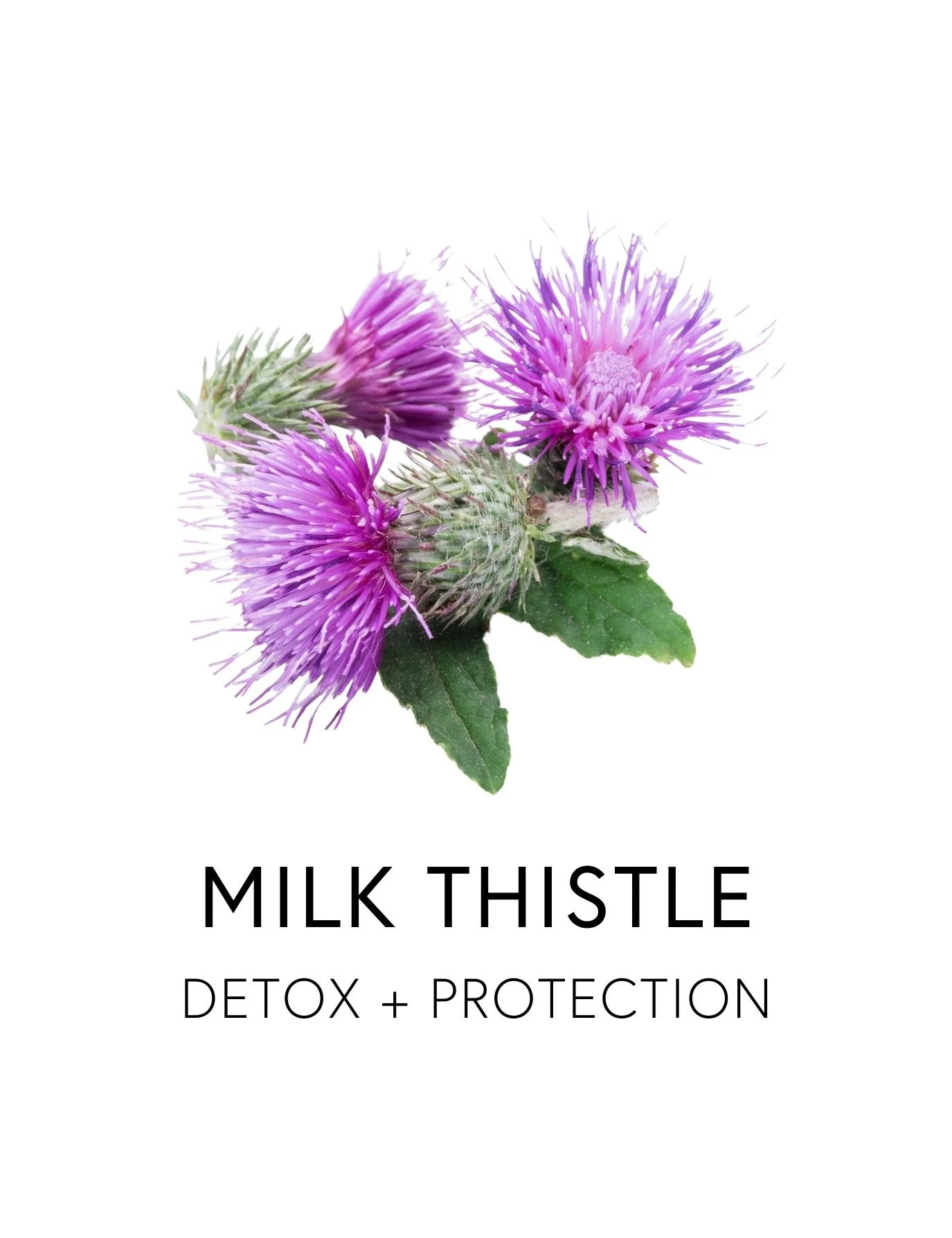
MILK THISTLE
Milk thistle is one of the most respected plants for liver protection, renewal and detoxification. Its seeds contain silymarin, a unique antioxidant complex that reduces stagnation and supports glutathione production, the body’s central detox and defense pathway. Few botanicals are known to both shield liver cells and stimulate repair after exposure to inflammation, processed foods, alcohol, medications or environmental toxins, making milk thistle a restorative ally rather than a harsh detoxifier.
NAC
NAC (N-acetylcysteine) supports detox by replenishing glutathione, the master antioxidant and detox molecule. NAC is a stabilized form of cysteine, an amino acid that is rapidly depleted during illness, inflammation and exposure to environmental pollutants. Without enough cysteine, the liver cannot maintain adequate glutathione or neutralize toxins, regardless of how well other detox pathways are supported. NAC acts like a bulletproof vest, absorbing oxidative stress before it damages sensitive tissues.
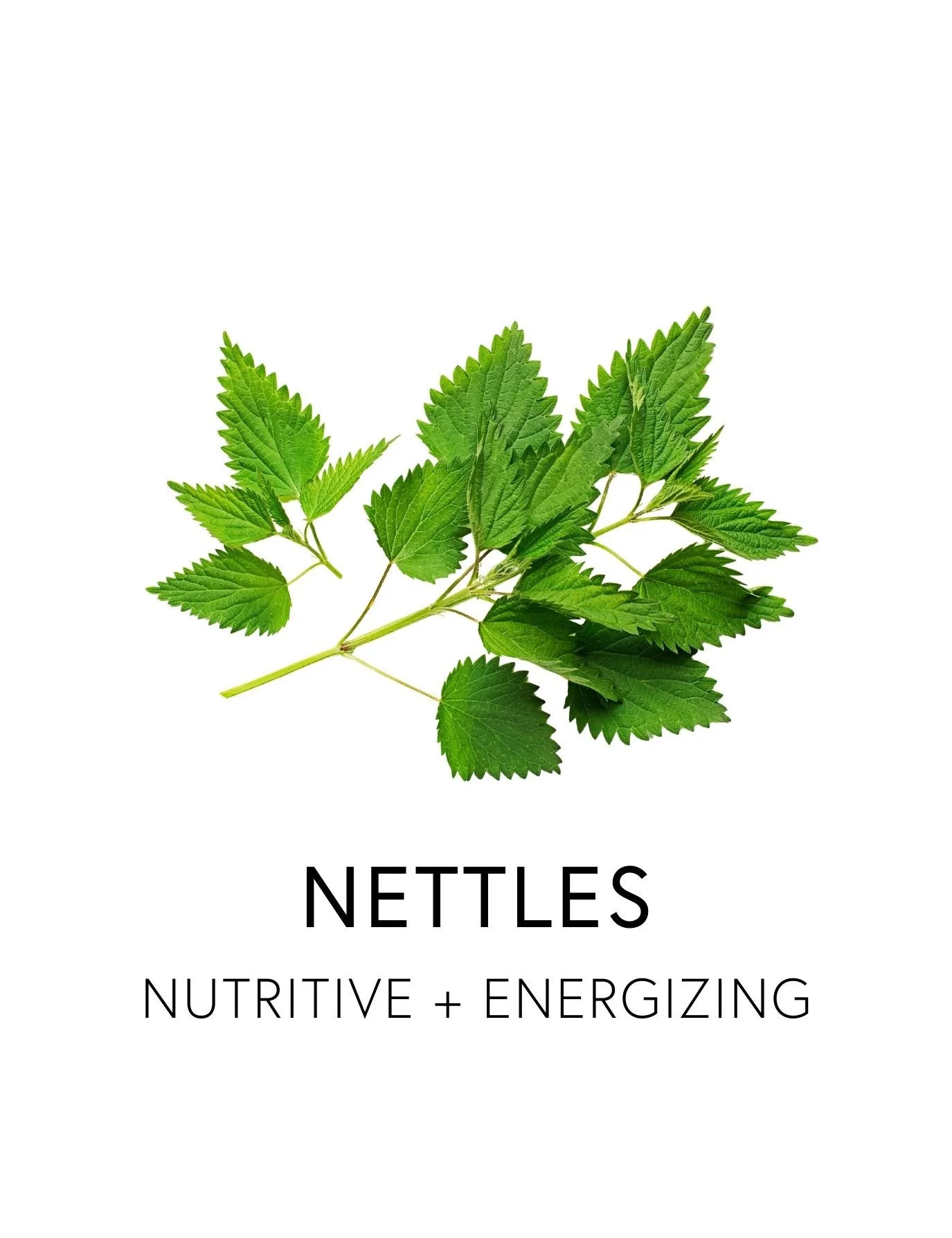
NETTLES
Stinging Nettle is a nutritive, energizing plant that supports detoxification and lymphatic pathways. Rich in flavonoids and bioavailable minerals, nettles replenishes nutrients often depleted during cleansing, stress and fatigue. Covered in stinging trichomes that burn on contact, nettles carries a distinctly protective energy that is equally restorative.

OPTIMIZE YOUR HEALTH
Craft a custom supplement backed by 20 years of clinical insight to target your unique health goals and support detox in the body.

+ FUNCTIONAL MEDICINE
+ ENERGY MEDICINE
+ LAB TESTING
IN A 1:1 SETTING
Work 1:1 to uncover a deeper layer of care through personalized assessment and grounded guidance for balancing the detox pathways.
HERE ARE SOME OF THE DETOX LABS I MIGHT RECOMMEND ORDERING IN THE CONTEXT OF YOUR CONSULT.
☆ Featured Lab ✓ Included in the Vitality Comprehensive

-
Alanine aminotransferase (ALT) and aspartate aminotransferase (AST) are enzymes found inside liver cells that leak into the blood when those cells are stressed or damaged. ALT is the more liver specific of the two, while AST is also found in muscle and the heart, so it can rise after intense exercise. Elevations are commonly linked to fatty liver, alcohol, medications, viral infection, and liver inflammation.
-
Gamma glutamyl transferase (GGT) is an enzyme concentrated in the liver and bile ducts and is one of the most sensitive markers of liver and bile duct stress. It also helps recycle glutathione, the body’s primary antioxidant, so levels tend to rise with alcohol use, medications, toxin exposure, and oxidative stress.
-
Bilirubin is a yellow pigment formed when old red blood cells are recycled. The liver processes bilirubin and moves it into bile so it can be eliminated through the digestive tract. While bilirubin acts as an antioxidant, elevated levels can reflect liver dysfunction, impaired bile flow, increased red blood cell turnover, or Gilbert’s syndrome, a common and benign variation in how efficiently the liver clears it.
-
Albumin and Total Protein reflect the major proteins circulating in the bloodstream. Albumin is a protein made by the liver that carries hormones, fatty acids, minerals, and medications through the blood. Total protein includes albumin and immune proteins called globulins. The balance between the two can point toward liver disease, inflammation, poor protein intake or absorption, or immune activity.
-
Alkaline phosphatase (ALP) is an enzyme found in the liver, bile ducts, and bone. In the liver, it rises when bile flow is restricted or the ducts are irritated. Low levels can reflect low zinc or magnesium, which the enzyme depends on to function.
-
The TotalTox Panel provides a comprehensive look at environmental exposures that may be adding to the body’s toxic burden. It screens for 20 heavy metals, including mercury, lead, arsenic, and cadmium, along with glyphosate, 38 environmental chemicals, and 29 mycotoxins produced by mold. These substances may be encountered through food, water, air, household products, or water damaged buildings and can accumulate when exposure exceeds the body’s ability to clear them. Results help prioritize which exposures to address and guide a more targeted plan to reduce ongoing exposure and support the body’s natural detoxification pathways.
-
Glutathione, the body’s master antioxidant, is responsible for neutralizing free radicals, supporting liver detoxification and protecting cells from damage. When levels are depleted, the body becomes more sensitive to inflammation, toxins and chronic stress, making this a key marker for overall vitality and cellular repair.
-
A screen for non-persistent toxic chemicals including pesticides, phthalates, benzene, xylene, vinyl chloride, insecticides, acrylamide, perchlorate, diphenyl phosphate, ethylene oxide, acrylonitrile, and more. We measure Tiglylglycine, a marker for mitochondrial disorders resulting from toxic load .
-
Glyphosate is the world’s most widely produced herbicide and is the primary toxic chemical in Roundup™. High correlations exist between glyphosate usage and numerous chronic illnesses, including autism, hypertension, stroke, diabetes, obesity, Alzheimer’s, dementia, Parkinson’s, multiple sclerosis, inflammatory bowel disease, acute kidney failure, cancers of the thyroid, liver, bladder, pancreas, kidney, and myeloid leukemia.
-
Unlike non-persistent toxic chemicals, Heavy Metals are minimally excreted from the body resulting in bioaccumulation and building levels over one’s lifetime. Toxic build-up can impair detoxification, compromise immunity, and increase oxidative stress. We measure persistent toxic load for Mercury, Lead, Arsenic, Caduim and others.
-
Mycotoxins are toxic compounds released by molds and fungi commonly found in water damaged buildings. Once absorbed, they can linger and interfere with detoxification, immune function, and overall health. This test measures mycotoxins in the body, including those produced by Stachybotrys, more commonly known as black mold. Results can help determine whether mold exposure may be contributing to persistent, difficult to explain symptoms like fatigue, headache, sinus or respiratory issues, brain fog, inflammation or sensitivity to chemicals.
-
The PFAS Chemical Test monitors exposure to perfluoroalkyl and polyfluoroalkyl chemicals, commonly called ‘PFAS.’ PFAS are used to make products that resist heat, oil, stains, grease, and water and are now found in the air, soil, and water, and in everyday consumer goods. PFAS are known as ‘forever chemicals’ because they bioaccumulate and persist in the body for decades, breaking down slowly or not at all. Knowing your PFAS exposure level is the first step to reducing toxic risk.
-
Not only can one have high levels of toxins, but one can have immune reactions to chemicals indifferent of exposure levels. We measure loss of immune tolerance to chemicals such as formaldehyde, benzene, BPA, parabens and heavy metals.